Our series on the key shifts happening in everyday luxury continues with shifts 4 and 5:
Everyday Luxury: Key Cultural Shifts 4 & 5
From Individualist & Escapist to Connected & Collective
One of the key characteristics of everyday luxury right now is a sense of personalized exclusivity – the idea that individuals can access tailored experiences, at a remove from the crowd.
Key examples:
New York’s NapYork provides individual anytime ‘nap pods’ for busy consumers who need to recharge.
One of the stand out features of Virgin Atlantic Upper Class is a chauffeur car service, giving consumers an individual luxury experience before they even reach the airport.
More emergently though, definitions of everyday luxury are expanding to include more collective and collaborative experiences – driven by a rise in high-end group activities or experiences that offer ways to connect with others and reap the benefits of human connection.
Key examples:
Sweat Crawls have become popular in the US and UK as a way for consumers to create a social event out of fitness – trying new gyms and facilities while also exploring new areas.
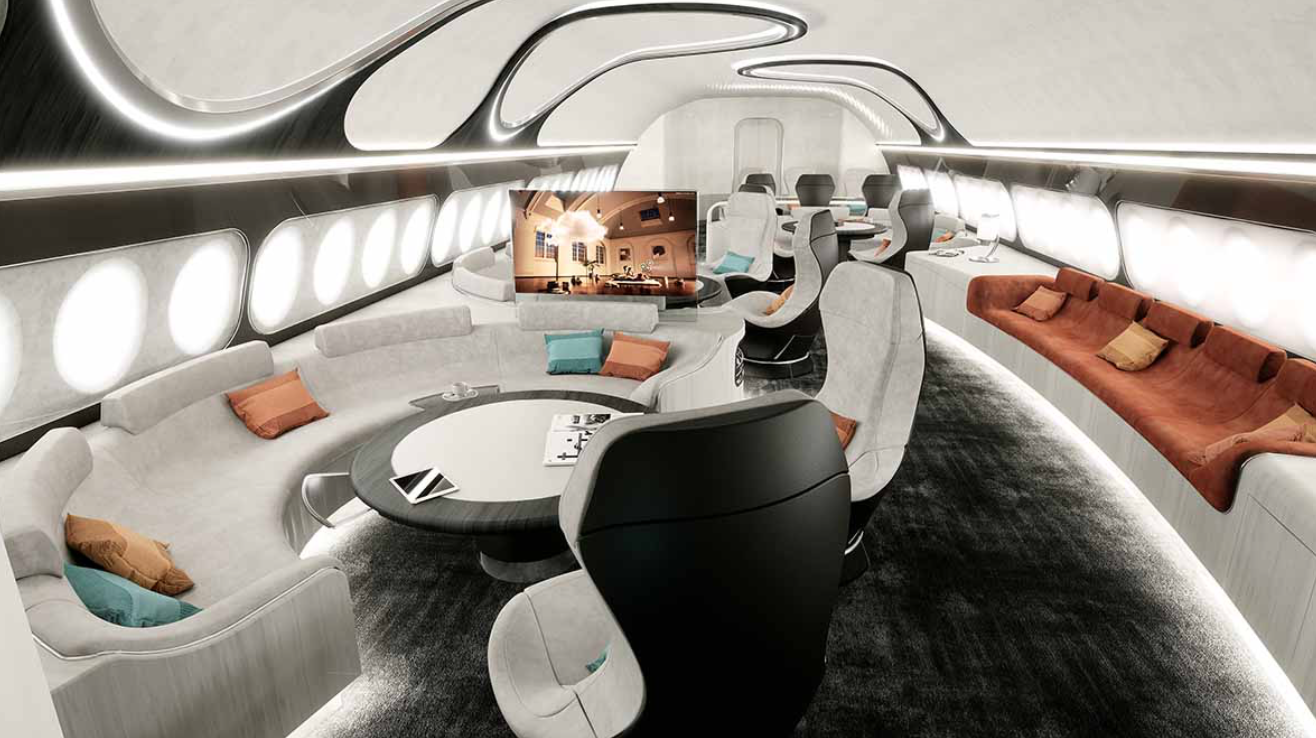
Airbus has announced plans to change their cargo holds by 2020 into bookable spaces for people to relax, conduct business or travel comfortably as a family – turning the airplane into more of a travelling lounge, office or temporary living space than an atomized (if luxurious) pod.
From Self-Centred & Self-Indulgent to Activist & Altruistic
Similarly, everyday luxury is dominantly associated with idyllic, ideal moments of opulent indulgence – framed as an indulgent treat to be enjoyed exclusively by the individual.
Key examples:
Zeel’s ‘Massage onDemand’ app brings same day ‘5 star’ massages to consumers’ home, providing easy access to personalized luxurious experiences.
Inderma studio (NY)provides high-end facials with a wide variety of add-on customisable options for consumers looking for a personalised luxury experience.
Conversely, more emergent examples of everyday luxury combine high quality with opportunities to engage with and improve the world – to benefit others and provide a sense of moral (as well as cultural) elevation.
Key examples:
High end clothing brandNinety Percent donates 90% of its profits to charities of their customers’ choosing. After receiving their online orders, shoppers can go to the website and choose from a select group of charities to which they’d like to donate 90% of the garments’ costs.
Elsa's Ocean Natural Deodorant Crème helps consumers beat plastic pollution by donating £1 from every tin sold to the charity PlasticOceans UK.